Bonded & Insured
Laguna Niguel, CA

Laguna Niguel Insulation Contractor for Cooler Attics and Lower Bills

Laguna Niguel's weather is mild, but a lot of its attics aren't. Under a concrete or clay tile roof facing west, a 1970s or '80s attic can top 130 °F by late August. That heat comes straight down through insulation that's settled to a fraction of its original R-value. The result is a hot upstairs, an air conditioner running through SCE's priciest afternoon hours, and bills that don't match the coastal climate. ThermoFort Attic Insulation has been fixing that problem since 2005. We upgrade, replace and air-seal attics so your home stays comfortable and costs less to cool.

We know how homes here were built. That includes the split-levels in Beacon Hill, the two-story stucco tracts in Rancho Niguel and Marina Hills, and the gated hillside homes in Bear Brand Ranch. We know which canyon-edge streets have roof rat trouble and which attics are packed tight with ducts under low-pitched tile. We also know how to work within HOA approvals and gate access. You'll get a clear estimate, a clean job site and updates from the first visit through the final walkthrough.

  • Serving Laguna Niguel since 2005
  • Bonded and insured
  • Free, clearly itemized estimates
  • Financing available
Free Estimate

Request Your Free Estimate

No obligation. Fast, honest quotes.

Prefer to talk? Call (949) 775-3575 — your details are never shared.

Credentials & Certifications BondedInsuredFinancing available
What We Do

Insulation Services for Laguna Niguel Homes

Every job starts by figuring out what's actually wrong in your attic, walls or crawl space. That might be rodents, settling, leaky ducts or moisture. We match the product to the problem and the house, whether it's a 1968 split-level in Beacon Hill or a 1996 two-story in Bear Brand Ranch.

★ Specialty

Attic Insulation

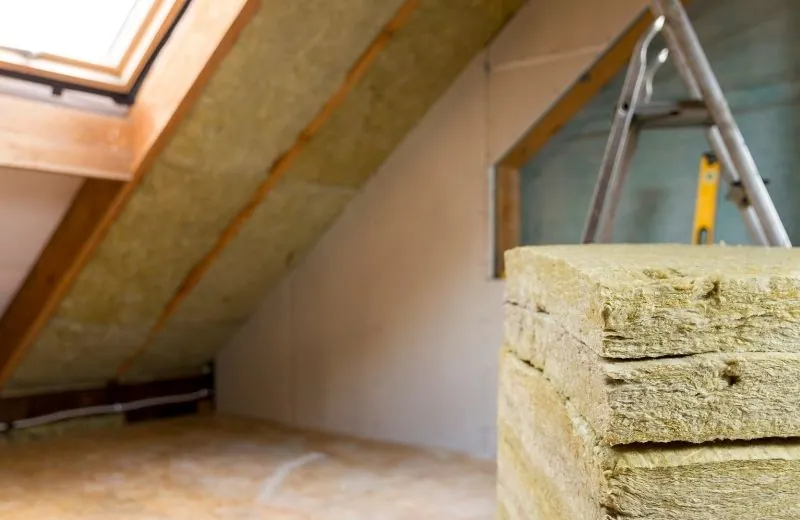
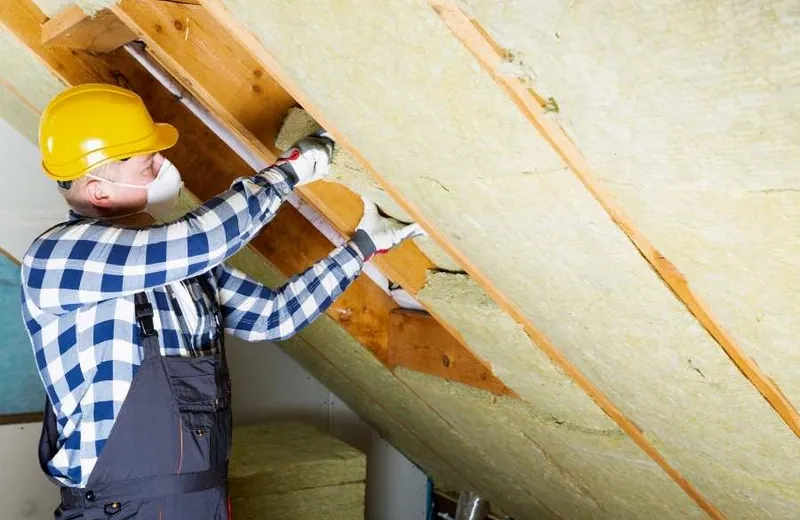
Attic insulation is our core service. We bring under-insulated attics up to today's recommended R-30 to R-38 or higher, and we seal the gaps that let conditioned air escape so the insulation can do its job.

We start with an attic inspection and photos. Then we air-seal top plates, can lights and plumbing chases, install baffles to keep soffit vents clear, and lay down insulation evenly with marked depth gauges. We protect your home with floor runners and covers.

Attics under concrete and clay tile in Laguna Niguel can top 130 °F. Better attic insulation is the most direct fix for hot upstairs bedrooms in two-story Rancho Niguel and Marina Hills homes, and for the afternoon AC loads that drive up SCE time-of-use bills.

Best for: Two-story homes with hot upper floors, homes built between the 1970s and 1990s with settled insulation, and owners getting ready for solar or a heat pump.

Explore
★ Specialty

Insulation Removal

We take out old, contaminated, wet or damaged insulation completely. That includes rodent-fouled loose-fill, matted batts and storm-soaked material. Once it's out, the attic is clean and ready for a fresh start.

We use a commercial HEPA-filtered vacuum system that runs the hose from the attic to a sealed collection unit outside. Material is bagged and hauled away, and the attic is sanitized afterward. Suspect asbestos or vermiculite gets tested before anything is disturbed.

Roof rats from the canyons and greenbelts make removal one of the most-requested services in Laguna Niguel. We sanitize the attic, seal the entry points we find, and coordinate with pest control so the problem doesn't come back.

Best for: Attics with rodent droppings or nests, musty odors, water damage from El Niño storms, or insulation flagged on a pre-sale inspection.

Explore

Insulation Replacement

Replacement pairs full removal with new insulation as one planned project, on one schedule and one estimate.

After removal and sanitizing, we air-seal the now-open ceiling plane. This is the best time to do it, because nothing is in the way. Then we install new blown-in or batt insulation to your target R-value and photograph the finished attic for your records.

For long-time owners in 1970s and '80s homes, replacement fixes decades of compression and contamination in one pass. Sellers in Laguna Niguel's high-value market also get documentation that shows buyers and inspectors exactly what was done.

Best for: Homes with contaminated or failing insulation, owners aging in place who care about air quality, and homes being prepared for sale.

Explore

Blown-In Insulation

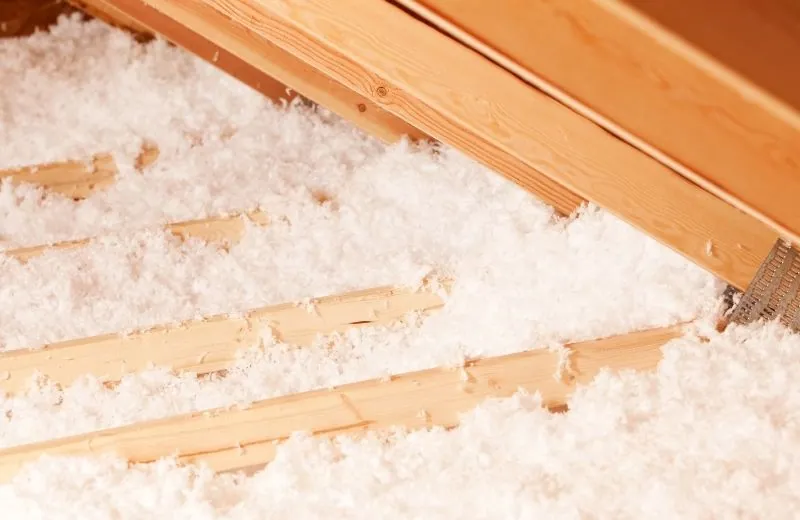
We blow loose-fill fiberglass or cellulose into attics and enclosed cavities. It fills tightly around joists, wiring and HVAC equipment, so there are fewer of the gaps that batts leave behind.

We calibrate the machine to the manufacturer's coverage charts, install depth rulers across the attic and blow to the target R-value. For walls, we use drill-and-fill through small access holes, then patch the stucco to match the existing finish.

Blown-in is the practical choice for Laguna Niguel's low-slope tile-roof attics, where crowded framing and ductwork make batts hard to fit. It also works well for uninsulated stucco walls in older Beacon Hill and El Niguel Heights homes, with HOA approval if needed.

Best for: Topping up existing attic insulation, filling uninsulated walls, and attics too cramped for batts.

Explore

Spray Foam Insulation

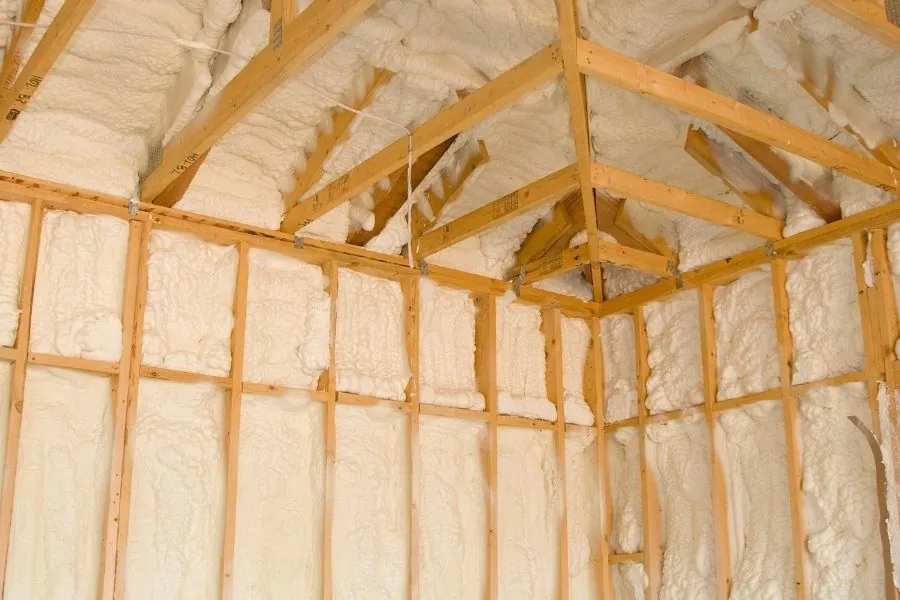
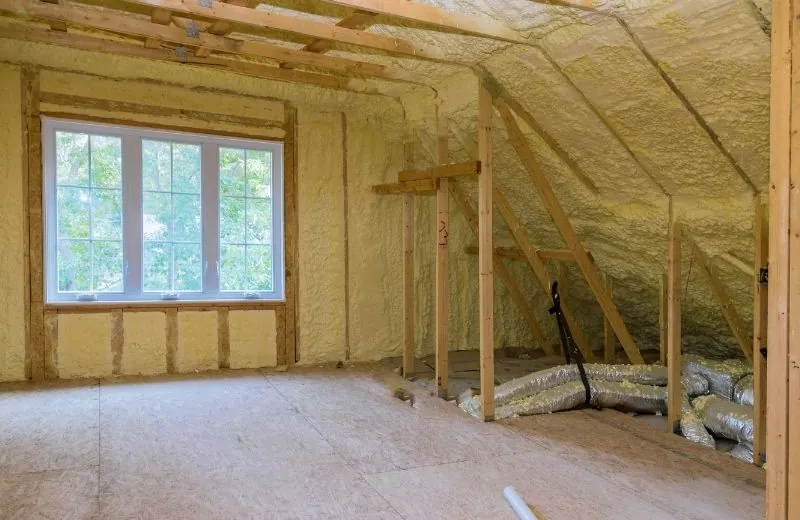
We apply open-cell or closed-cell spray foam that insulates and air-seals in one step. It's especially useful in spaces where loose-fill won't work.

We mask and protect the work area, apply foam in measured passes to the specified thickness, and ventilate during and after the application. Closed-cell foam fits rim joists and bonus-room floors. Open-cell foam works well on rooflines and vaulted cavities.

Vaulted ceilings, garage ceilings under bonus rooms and roofline applications in tightly packed Laguna Niguel attics are where spray foam pays off. We review ventilation, moisture and fire-zone considerations for each home before recommending it.

Best for: Bonus rooms over garages, vaulted or cathedral ceilings, rim joists, and homeowners who want to bring ducts inside the thermal envelope.

Explore

Crawl Space Insulation

We insulate the underfloor areas of homes on raised foundations to stop cold floors, drafts and moisture problems. We also make sure insulation stays secured over the long term.

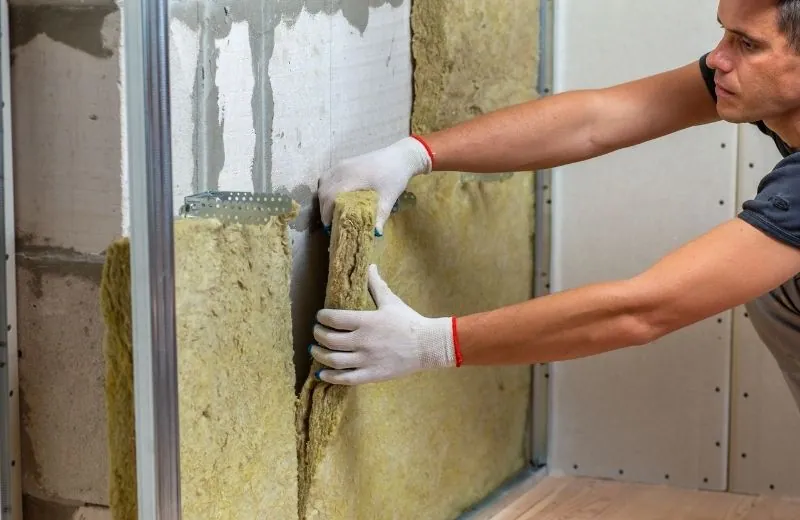
We inspect for moisture, pests and debris first. Then we install fitted batts with proper supports or rigid insulation where it suits, seal floor penetrations and add vapor control where conditions call for it.

Some hillside lots in Laguna Niguel have raised foundations instead of slabs. Expansive clay and slope movement can open gaps and air-leak paths over time, so we seal and insulate with that movement in mind.

Best for: Hillside homes on raised foundations, rooms with cold or drafty floors, and crawl spaces with fallen or missing insulation.

Explore

Insulation Installation

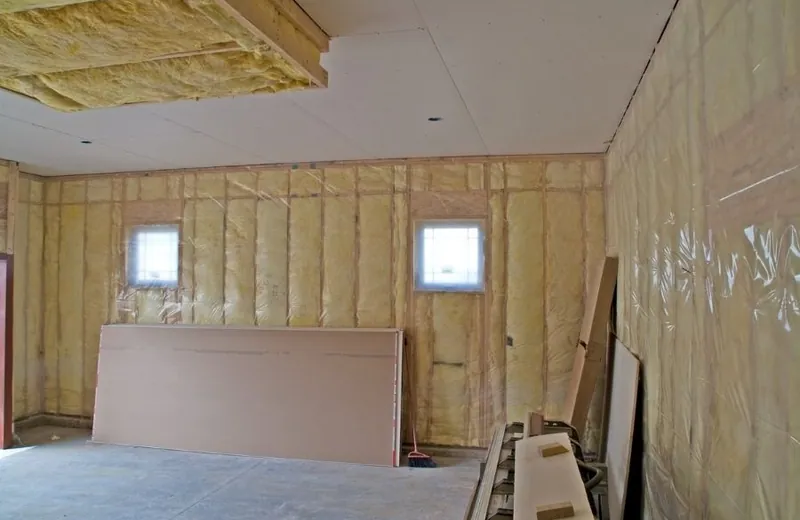
We handle new insulation for additions, remodels, garage conversions and bonus rooms, sized to the space and installed to current California Energy Code requirements.

We coordinate with your contractor's schedule, install batts, blown-in or spray foam depending on the space, and leave the work ready for the city's insulation inspection when a permit is required.

Remodels in Laguna Niguel often trigger Title 24 requirements through the city's Building & Safety Division. We work within those rules and around HOA timelines and gated-community access.

Best for: Room additions, ADUs, garage conversions, kitchen and bath remodels that open walls or ceilings, and re-roof projects.

Explore
Know The Signs

Common Insulation Problems in Laguna Niguel Homes

The same handful of problems show up in attic after attic here. They come from the homes' age, the tile roofs, the nearby canyons and the coastal air. Some just waste money. Others affect your health or your home's fire safety. Here's what we find most often and why.

Rodent-Contaminated Attic Insulation Serious

Roof rats and mice tunnel through loose-fill and batts. They nest in the insulation and leave droppings and urine behind, which flattens the R-value and fouls the attic air. That air can reach your living space through ceiling penetrations and leaky ducts.

Why it's common here

Laguna Niguel's greenbelts, canyon slopes and open space are ideal roof rat habitat, especially along Laguna Niguel Regional Park and the edges of Aliso and Wood Canyons. Rats climb mature trees and ivy onto tile roofs. From there they slip under loose tiles or through worn screens on soffit and gable vents. Attics from the '70s and '80s with deep, undisturbed loose-fill make warm, quiet nesting spots. Many infestations go unnoticed for years, so by the time an owner finds them, the damage covers most of the attic.

Signs you'll notice
  • Scratching or scurrying overhead at night
  • Droppings visible near the attic hatch
  • Tunnels or flattened trails through loose-fill
  • Musty, ammonia-like odor upstairs
  • Chewed wiring, duct jackets or vent screens
  • Pet reactions near ceilings or closets
Local patterns

We see this most along greenbelt and canyon edges in Marina Hills, Niguel Summit, Kite Hill and the Regional Park area. Homes with mature trees or ivy touching the roofline are frequent cases. Activity often increases in fall, when rodents look for shelter.

Our fix: We remove the contaminated insulation by vacuum, sanitize the attic, seal the rodent entry points we find and install fresh blown-in insulation. We coordinate with your pest control provider if needed.

Settled, Undersized Attic Insulation Moderate

Loose-fill fiberglass and cellulose compact over time, and batts sag and compress. An attic installed at R-19 in 1985 may perform closer to R-11 today. That's far below the R-30 to R-38 recommended for this climate zone.

Why it's common here

Most homes in Laguna Niguel are 30 to 50 years old. Their insulation has spent decades cycling between foggy, humid mornings and attic afternoons above 130 °F, and it gets compressed further by HVAC techs, cable installers and holiday storage. Builders in the 1970s and '80s met the codes of their day, and those codes required far less than current Title 24. Under a tile roof facing west or south, thin insulation lets a lot of radiant heat through to the ceiling below.

Signs you'll notice
  • Ceiling joists visible above the insulation
  • Upstairs 5–10 °F warmer than downstairs
  • AC running through late afternoon
  • Rising SCE bills in summer
  • Ceilings warm to the touch
  • Uneven or bare patches in the attic
Local patterns

This is nearly universal in Rancho Niguel, Beacon Hill and the 1970s–80s tracts along the Crown Valley Parkway corridor. It's most noticeable in two-story plans with west-facing upstairs bedrooms and on ridgetop lots without much shade.

Our fix: We air-seal the ceiling plane, then blow in new insulation over the existing layer to reach R-38 or higher, with depth markers so you can confirm the coverage.

Leaky, Disconnected Attic Ductwork Moderate

Original flex ducts in the attic get brittle, their tape fails, and some runs separate completely. Your AC ends up cooling a 130 °F attic, and dusty attic air gets pulled back into the house.

Why it's common here

Many homes here still have ductwork from the 1970s through the '90s. Decades of attic heat break down the plastic jackets and adhesives, and salty marine air corrodes metal collars and fasteners. Crowded attics under low-pitched tile mean ducts get stepped on and kinked during other work. Loose ducts can leak 20–30% of the air your system moves, and that hurts most during SCE's expensive afternoon and evening time-of-use hours.

Signs you'll notice
  • Weak airflow from some registers
  • Rooms that never get cool
  • Dust streaks around ceiling registers
  • Crushed or torn ducts in the attic
  • AC short-cycling or running nonstop
  • High bills even after a new AC
Local patterns

This is common in two-story homes in Marina Hills and Sea Country, where long duct runs feed the upstairs rooms. We also see it in condos and townhomes, where shared attics make problems hard to spot.

Our fix: We document duct problems during the inspection and coordinate repairs or replacement with properly licensed HVAC partners, including the required HERS testing. Then we insulate the attic around the corrected system.

Suspect Asbestos or Vermiculite Materials Serious

Homes built before 1980 may have vermiculite loose-fill, asbestos-containing popcorn ceilings or old duct wrap. If those materials are disturbed during insulation work, fibers can be released into the house.

Why it's common here

Laguna Niguel's original core went up in the 1960s and '70s, when these materials were still in common use. Popcorn ceilings were standard in tract homes of that period. Many homes have had several owners and some remodeling, so records are often missing. California law requires testing and licensed abatement before regulated material is disturbed. That makes this a step to finish before work starts, not a surprise to deal with halfway through.

Signs you'll notice
  • Gray-brown, pebble-like loose-fill
  • Popcorn or acoustic ceiling texture
  • Fabric-like wrap on old ducts
  • Home built before 1980
  • No records of prior abatement
  • Crumbling material near the hatch
Local patterns

We see this mostly in single-story and split-level homes near El Niguel Country Club, El Niguel Heights and Beacon Hill. Older condos near the original city core sometimes have it too.

Our fix: We stop and recommend testing by a certified lab. If the results are positive, licensed abatement happens first. We start insulation work once the attic is cleared.

Marine-Layer Condensation and Attic Mildew Moderate

Moist coastal air enters the attic and condenses on cool roof sheathing overnight. When ventilation is poor or air leaks from the house add humidity, the result is mildew, damp insulation and corroded metal.

Why it's common here

May Gray and June Gloom keep the air humid for weeks at a time, and homes on ocean-facing slopes also get salt-laden air. Vents get blocked by insulation, bath fans that vent into the attic, and unsealed can lights can all trap moisture under tile roofs. Shaded canyon lots dry out slowly. Heavy El Niño storms can also wet insulation through aging roof underlayment, and soaked fiberglass or cellulose loses most of its insulating value.

Signs you'll notice
  • Dark spotting on roof sheathing
  • Musty smell in upstairs closets
  • Rusty nails or duct fasteners
  • Clumped or matted insulation
  • Water stains on ceilings after storms
  • Bath fans ending in the attic
Local patterns

This is most common on ocean-facing slopes in Sea Country, Marina Hills and the Niguel Summit area, and on shaded canyon-bottom lots where the morning marine layer stays late.

Our fix: We remove wet or moldy insulation, air-seal the ceiling penetrations, make sure soffit vents have clear airflow with baffles, and install insulation suited to the attic's ventilation.

Fire-Vulnerable Attic Vents Near Open Space Emergency

Older soffit and gable vents with large mesh openings let wind-blown embers into the attic, where dry insulation and framing can ignite. Many of these vents don't meet current CBC Chapter 7A standards.

Why it's common here

Parts of Laguna Niguel border canyon slopes and open space mapped as Very High Fire Hazard Severity Zones. Santa Ana winds in fall and winter carry embers miles ahead of a fire front, and embers entering through vents are a leading cause of home ignition in wildfires. Most homes built before the 2008 WUI standards still have their original vents. Insulation work is a good time to evaluate them.

Signs you'll notice
  • Vent mesh coarser than 1/8 inch
  • Torn or rusted vent screens
  • Debris buildup near vents
  • Home backs onto open space
  • Original 1970s–90s gable vents
  • Insurer asking about vents
Local patterns

This applies especially to homes along Aliso and Wood Canyons, the Laguna Niguel Regional Park edges, and hillside streets in Bear Brand Ranch and Niguel Summit that face canyon slopes.

Our fix: We identify non-compliant vents and help arrange ember-resistant replacements that meet Chapter 7A, including HOA approval. We also discuss noncombustible insulation options for your attic.

Transparent Pricing

What Insulation Costs in Laguna Niguel

Insulation pricing depends on your attic, not a flat rate per house. Here's what moves the number up or down in Laguna Niguel and what typical local projects cost. Your free estimate will give you exact figures for your home.

Typical Project

Attic top-up for a two-story home

Rancho Niguel 1980s home, about 1,200 sq ft of attic. Air-seal and blow in fiberglass over existing insulation to R-38.

$2,000 – $3,800
Typical Project

Rodent cleanup and full replacement

Marina Hills greenbelt home, about 1,500 sq ft of attic. Vacuum removal, sanitizing, sealing entry points and new R-38 blown-in.

$5,500 – $10,000
Typical Project

Spray foam for bonus room and garage ceiling

Niguel Summit home, about 400–600 sq ft of garage ceiling plus bonus-room knee walls. Closed-cell foam.

$3,500 – $7,500
Typical Project

Drill-and-fill for uninsulated stucco walls

Beacon Hill 1970s single-story home, about 1,000 sq ft of exterior wall area. Blown-in wall insulation with stucco patching. Asbestos testing first if needed.

$4,000 – $8,500
Removal and Contamination Primary Factor

Whether old insulation can stay or has to go is the biggest cost factor. A top-up over clean existing material is the least expensive route. Rodent-contaminated, wet or moldy insulation has to be vacuumed out, the attic sanitized and entry points sealed before anything new goes in. That can roughly double the project cost. Removal is common near Laguna Niguel's canyons and greenbelts.

Square Footage and Target R-Value Primary Factor

Price scales with attic area and how deep the insulation has to go. Going from R-19 to R-38 takes much less material than starting from a nearly bare attic. Single-story Beacon Hill homes often have more attic area per square foot of living space than two-story Marina Hills plans, which affects the totals.

Insulation Type Secondary Factor

Blown-in fiberglass and cellulose are the most cost-effective options for open attics. Batts fit some open framing. Spray foam costs considerably more per square foot, but it insulates and air-seals in one step, which makes it worth it for vaulted ceilings, bonus rooms over garages and roofline applications where other materials don't perform well.

Access and Attic Conditions Secondary Factor

Low-pitched tile-roof attics packed with HVAC equipment, small hatches and long crawls to eaves all add labor time. Air-sealing many can lights and penetrations, installing vent baffles or drill-and-fill work in stucco walls with matching patches also add cost. These conditions are common in Laguna Niguel homes from the 1970s and '80s.

Testing, Permits and Coordination Variable Factor

Homes built before 1980 may need asbestos testing before work begins, and abatement if results are positive. Duct replacement brings HVAC licensing and HERS testing into the job. Ember-resistant vent upgrades and HOA approvals can add materials and time. We list each of these separately so you can see exactly what you're paying for.

Financing is available, so you can spread out the cost of larger projects like full removal and replacement. Ask about it during your free estimate. Upgraded attic insulation lowers cooling loads during SCE's expensive afternoon hours. It can let a new solar system or heat pump be sized smaller, and it gives buyers documented improvements to see. In a seven-figure housing market, that's a smart way to protect your home's value.

Local Expertise

Why Laguna Niguel Homes Need Better Insulation

Coastal Orange County doesn't need much heating, but cooling and moisture are another story. In Laguna Niguel, insulation mostly has three jobs: keep tile-roof heat out of the house, stop conditioned air from leaking into the attic, and handle marine-layer humidity, Santa Ana embers and canyon rodents. Here's what drives those needs locally.

Coastal Climate Zone 6, With Hot Ridgetops and Damp Mornings

Most of ZIP 92677 is in California Energy Commission Climate Zone 6. Summer highs usually run from the mid-70s to low 80s °F, and winter lows sit in the mid-40s. Those averages hide a lot of variation. Ridgetop and inland canyon neighborhoods often reach the high 80s or 90s during heat waves. Sun-facing tile roofs can push attic temperatures past 130 °F. May Gray and June Gloom add damp, salty air, which condenses in poorly vented attics, grows mildew on roof sheathing and corrodes metal duct parts. Rainfall averages only about 13 inches a year. Even so, El Niño storms can soak insulation through an old roof in a single night. Insulation here has to block heat and work with your attic ventilation.

Housing Stock From 1960 to 1999 That's Due for an Upgrade

Most of Laguna Niguel went up in three waves. The first, in the 1960s and '70s, brought single-story and split-level homes near El Niguel Country Club and Beacon Hill. The second, in the 1970s and '80s, added two-story stucco tracts, condos and townhomes. The third, in the late '80s and '90s, built hillside enclaves like Bear Brand Ranch and Niguel Summit. Homes from the first wave often still have R-11 to R-19 batts that have been compressed for decades. Second- and third-wave homes usually have loose-fill that has settled well below the R-30 to R-38 recommended today. Across all three, it's common to find original flex duct in the attic, vaulted ceilings with very little cavity space, uninsulated stucco walls and bare garage ceilings under bonus rooms.

Permits, Fire Zones and HOA Rules

The City of Laguna Niguel Building & Safety Division enforces the California Building Code and Title 24, Part 6. Duct replacement or HVAC changeouts usually trigger duct sealing and HERS leakage testing. Re-roofs bring in prescriptive insulation requirements. Simple blown-in top-ups typically need less paperwork. Parts of the city near Aliso and Wood Canyons and the regional park are mapped as Very High Fire Hazard Severity Zones, so any vent changes must meet CBC Chapter 7A ember-resistance rules. Homes built before 1980 need asbestos testing before anyone disturbs popcorn ceilings, vermiculite or old duct wrap. In Marina Hills, Beacon Hill, Bear Brand Ranch and Niguel Summit, HOA architectural committees review any exterior changes.

Homeowners Who Expect It Done Right

Laguna Niguel's 64,000-plus residents are mostly homeowners. Many are long-time owners and retirees in homes from the 1970s through the 1990s. Others are professional families who moved here for the Capistrano Unified schools. They tend to research before they hire, and they care about indoor air quality, fire safety, home value and lower SCE bills, especially when they're adding solar or a heat pump. Sellers want upgrades on paper that hold up to a buyer's inspection. Everyone expects careful crews who respect the home and the neighbors.

ThermoFort Attic Insulation Insulation Contractor in Laguna Niguel, CA project in Laguna Niguel, CA (1)
Laguna Niguel, CA
ThermoFort Attic Insulation Insulation Contractor in Laguna Niguel, CA project in Laguna Niguel, CA (2)
21+ Years
Talk to a Local Expert
The ThermoFort Attic Insulation Difference

Why Laguna Niguel Homeowners Choose ThermoFort

Local Experience Since 2005

We've been insulating homes in this part of South Orange County since 2005. We know how attics vary from neighborhood to neighborhood. Low-pitched tile roofs in Rancho Niguel leave crews about 30 inches of crawl room. Canyon-edge homes in Marina Hills tend to have rodent problems. The original split-levels near El Niguel Country Club need suspect-material checks before work begins. That experience shapes what we recommend and keeps surprises off your bill. You won't get a one-size-fits-all package, because the same house plan can need different work on a sunny ridgetop than on a shaded canyon lot.

Bonded and Insured

ThermoFort is bonded and insured, which protects you if something goes wrong on your property. Insulation work means crews moving through your home, working above finished ceilings and handling equipment in tight attics. Coverage matters. We're happy to provide proof of our bond and insurance before work starts, and we encourage every homeowner to check this with any contractor. In a market where many homes are worth seven figures, it's a basic safeguard.

We Focus on Insulation

Insulation is all we do: attics, walls, crawl spaces, removal and replacement. Because we specialize, we pay attention to the details generalists often skip. That means air-sealing before insulating, keeping soffit vents clear with baffles, installing depth markers and calibrating to manufacturer coverage charts. When a job needs other trades, like HVAC duct replacement, asbestos abatement or pest control, we tell you plainly and help coordinate it instead of guessing outside our specialty.

Clear Estimates With No Guesswork

Your estimate lists materials, R-values, square footage and every line item. If we recommend a full replacement instead of a top-up, we'll show you photos of why. If a cheaper option will solve your problem, we'll say so. Laguna Niguel homeowners tend to do their research, and our estimates are built to make comparing easy. The price we quote is the price we stick to, unless you approve a change in scope.

Clean Job Sites and Respectful Crews

We protect your floors, cover furniture along the work path and use sealed vacuum removal so attic dust stays out of your living space. Crews show up when scheduled, keep driveways and shared walkways clear, and clean up before they leave. For condo and townhome owners, and anyone in a close-knit HOA, that consideration toward neighbors matters as much as the insulation itself.

HOA and Gated-Community Coordination

Many Laguna Niguel neighborhoods, including Marina Hills, Beacon Hill, Bear Brand Ranch and Niguel Summit, have HOA rules covering exterior changes, work hours and contractor access. We plan around them. We'll prepare details for architectural review when a job involves new vents or stucco access holes, schedule gate entry in advance and coordinate shared-attic work in attached homes.

Financing Available

Comfort upgrades shouldn't have to wait for the perfect month. We offer financing so you can take care of rodent-contaminated insulation, a hot upstairs or a pre-sale fix now and pay over time. That's especially useful when you're also budgeting for solar, batteries or a heat pump and want to lower your cooling load first. Ask about financing during your free estimate.

Simple & Transparent

How Your Insulation Project Works

There are five steps from the first call to the final walkthrough. We schedule around your calendar, your HOA's rules and your gate's access policy, and we keep you updated the whole way.

Free Consultation and Attic Inspection

About 45–90 minutes, usually within a few days of your call
  • We talk through your comfort problems, energy bills and goals
  • We inspect the attic, crawl space or walls and take photos
  • We measure existing insulation depth and condition
  • We note rodent activity, moisture, duct problems and vent compliance

Local note: In gated communities like Bear Brand Ranch, we arrange gate access ahead of time. In pre-1980 homes, we look for suspect materials before anything gets touched.

Clear, Itemized Estimate

Usually within 1–2 business days
  • We give you a written scope with R-values, materials and square footage
  • We present options, such as a top-up versus full replacement
  • We point out any permit, HERS or testing requirements
  • We explain financing options if you want them

Local note: We'll tell you if any part of the job needs city permits or HOA architectural approval, such as new vents or wall access holes in stucco.

Scheduling and Preparation

Usually 1–3 weeks out, depending on approvals
  • We set a firm start date and arrival window
  • We coordinate HOA, gate or pest control timing
  • We plan cooler morning work hours during heat waves
  • We send a reminder the day before

Local note: Late-summer attic heat affects crew safety and scheduling, so we start early on hot days.

Installation Day

Most attic jobs take 1 day; removal plus replacement usually 1–3 days
  • We protect floors, furniture and the path to the attic
  • We do removal and sanitizing if needed
  • We air-seal and install baffles
  • We install insulation to the target R-value with depth markers

Local note: We keep trucks, hoses and noise considerate of neighbors on tight cul-de-sacs and in shared condo buildings.

Cleanup and Final Walkthrough

Same day as completion
  • We clean the work areas and haul away debris
  • We show you before-and-after photos
  • We walk you through what was done and why
  • We hand over documentation for your records, rebates or a home sale

Local note: If your project needed a permit or HERS verification, we'll explain where it stands and what still has to be done.

Trusted Locally

Trusted by Laguna Niguel Homeowners Since 2005

In Business Since
2005
Laguna Niguel, CA

Homeowners across Laguna Niguel choose ThermoFort because we show up on time, explain what we found in plain language, protect their homes during the work and leave the job site clean.

20 mi
Service Radius
Free
In-Home Estimates
Bonded & Insured
For Your Protection
BondedInsuredFinancing available
Where We Work

Insulation Services Across Laguna Niguel and Nearby Communities

We're based around Laguna Niguel and work within about 20 miles. That covers every neighborhood in the city, from coastal-facing slopes to inland ridgetops, plus the neighboring South Orange County cities with similar homes and many of the same attic problems.

Original Core and Coastal Slopes

Beacon HillEl Niguel HeightsSea CountryMarina Hills

Inland Hillsides and Planned Communities

Bear Brand RanchNiguel SummitKite HillRancho NiguelLaguna Niguel Regional Park areaCrown Valley Parkway corridor & Gateway/Town Center

Neighboring Cities

Aliso ViejoDana PointMission ViejoSan Juan Capistrano

We serve homes within a 20-mile radius of Laguna Niguel. If you're not sure your address is covered, call us and we'll confirm. Not sure if we cover your area? Call (949) 775-3575.

Find Us

Serving Laguna Niguel, CA & Nearby

30192 Town Center Dr, Laguna Niguel, CA, 92677 · Monday - Sunday: 7AM - 7PM

Beacon HillEl Niguel HeightsSea CountryMarina HillsBear Brand RanchNiguel SummitKite HillRancho NiguelLaguna Niguel Regional Park areaCrown Valley Parkway corridor & Gateway/Town CenterAliso ViejoDana PointMission ViejoSan Juan Capistrano
Questions & Answers

Insulation Questions From Laguna Niguel Homeowners

How much does attic insulation cost in Laguna Niguel?

Most blown-in attic top-ups in Laguna Niguel run about $2,000 to $3,800 for a typical 1,000–1,500 sq ft attic. That assumes the existing insulation is clean and can stay. If it's contaminated by rodents or water, full removal, sanitizing and replacement usually runs $5,500 to $10,000. Spray foam costs more per square foot and is usually reserved for vaulted ceilings, bonus rooms and roofline work. Final price depends on attic size, access, your target R-value and any testing or permit requirements. We give you a free, itemized estimate after inspecting your attic, and financing is available.

How long does an insulation project take?

A standard attic top-up usually takes one day, and crews are often finished by mid-afternoon. Removal plus replacement typically takes one to three days, depending on attic size, how contaminated it is and how tight the access is under a low tile roof. Spray foam jobs are usually one to two days, plus a ventilation period before you use the space again. Lead time before your start date depends on scheduling and any HOA approvals, gate access or required testing. We'll give you a realistic timeline in your estimate and keep you updated.

Do I need a permit for insulation work in Laguna Niguel?

It depends on the scope. Simple blown-in attic top-ups often need less paperwork than other work, but the City of Laguna Niguel Building & Safety Division makes that call, so it's worth confirming for each job. Replacing or altering ductwork or changing out HVAC equipment usually requires a permit plus duct sealing and HERS leakage testing under Title 24. Re-roofs and major remodels trigger prescriptive insulation requirements. Vent changes in Very High Fire Hazard Severity Zones must meet CBC Chapter 7A. Some utility rebates also require Title 24 documentation. We'll tell you what applies before work starts.

I hear noises in my attic. When should I deal with rodent-damaged insulation?

Act soon. Roof rats near Laguna Niguel's canyons and greenbelts can foul a large part of an attic within months. Droppings and urine degrade insulation and the air quality upstairs, and rats chew wiring and ducts. Start by having pest control remove the active rodents and identify entry points. Then the contaminated insulation should be vacuumed out, the attic sanitized and the openings sealed before new insulation goes in. Putting fresh insulation on top of contaminated material just buries the problem. If you see droppings, smell ammonia or hear activity at night, schedule an inspection.

My house was built in the 1970s. Could my insulation contain asbestos?

It's possible. Laguna Niguel homes built before 1980 may have vermiculite loose-fill, asbestos-containing popcorn ceilings or old duct wrap. Vermiculite looks like gray-brown, pebble-like granules. You can't confirm asbestos by looking, so if we see suspect material during an inspection, we stop and recommend testing by a certified lab. If results are positive, California rules require licensed abatement before the material is disturbed. Once the area is cleared, we start insulation work. For homes built before 1978, lead-safe work practices may also apply where painted surfaces are disturbed.

Why is my upstairs so hot when Laguna Niguel's weather is so mild?

Your attic is a much hotter place than the outdoor forecast suggests. Under a sun-facing concrete or clay tile roof, it can go above 130 °F in late summer. That's especially true on ridgetop lots and once the marine layer burns off. Thin or settled insulation lets that heat radiate into the upstairs bedrooms. Leaky attic ducts lose cool air before it reaches them. Two-story homes from the 1970s through the 1990s get hit hardest. The usual fix is air-sealing the ceiling, bringing insulation up to R-38 or higher, and repairing ductwork where needed.

Should I choose blown-in insulation or spray foam?

For most open Laguna Niguel attics, blown-in fiberglass or cellulose gives the best value. It fills around crowded framing and ductwork, and it reaches R-38 affordably. Spray foam makes sense where blown-in doesn't work well: vaulted or cathedral ceilings with little cavity depth, garage ceilings under bonus rooms, rim joists, or roofline applications that bring ducts inside the insulated space. Spray foam costs more but air-seals as it insulates. Ventilation, moisture from the marine layer and fire-zone considerations all affect the choice, so we look at your attic before recommending either one.

How can I keep my new insulation working for years?

Start by keeping rodents out. Trim trees and ivy back from the roofline, keep vent screens intact and have pest control check canyon-edge homes on a regular schedule. Make sure bath fans vent outdoors, not into the attic, so marine-layer moisture doesn't build up. Ask HVAC techs, cable installers and solar crews to stay on walkways and not compress the insulation. After heavy El Niño storms, check the ceilings for stains. Finally, keep stored items out of insulated attic areas. A quick look through the attic hatch once a year catches most problems early.

Get a Cooler, Cleaner Attic. Schedule Your Free Estimate.

If you're dealing with a hot upstairs, rodent noises overhead or insulation that's been settling since the 1980s, we can inspect your attic, explain what's going on and give you a clear plan with honest pricing.

  • A free attic inspection with photos of what we find
  • A clear, itemized estimate with R-values and options
  • On-time scheduling coordinated with your HOA or gate
  • Clean, protected work areas and full debris haul-away
  • Air-sealing done before insulation goes in
  • Documentation for your records, rebates or a home sale
  • Financing available for larger projects

We serve every Laguna Niguel neighborhood, plus Aliso Viejo, Dana Point, Mission Viejo, San Juan Capistrano and other communities within about 20 miles.

Found droppings or a strong odor, or did a storm soak your attic insulation? Call us. We'll prioritize an inspection so the contamination or moisture doesn't spread.

Bonded • Insured

Call (949) 775-3575 Free Estimate